Results
How Long Does Facial Fat Transfer Last? The Honest Answer
Fat that survives the first months becomes living tissue — but 'permanent' needs careful unpacking. Here's the truthful timeline.
Read articleFacial fat transfer (lipofilling) with Assoc. Prof. Dr. Ayhan Işık Erdal — natural, lasting volume for under-eyes, cheeks, temples, lips and jawline, using your own fat instead of filler. For international patients, with honest expectations.
Facial fat transfer — also called fat grafting or lipofilling — takes a small amount of your own fat, purifies it, and places it in fine threads where ageing has hollowed the face. The fat that survives becomes living tissue: natural to the touch, lasting for years, ageing along with you.
No implants, no synthetic filler cycles — and, done well, no sign anything was done at all beyond looking rested.
Volume loss shows differently in every face. These are the areas fat transfer restores — alone or in combination.
Hollowing under the eyes that makes you look tired regardless of sleep. Structural fat placed deep along the tear trough softens the shadow — the most technique-sensitive area of all, and one where fat can outperform filler.
Flattened or descended midface volume — the change that most defines an aged or gaunt look. Restoring the cheek's youthful projection lifts the whole face's expression.
Temple hollowing narrows the upper face and makes the brow look heavier. A modest, even fat placement restores a soft, youthful frame most people can't name but everyone notices.
Natural, soft lip volume and support for the fine vertical lines above — with your own tissue rather than a filler look.
The folds from nose to mouth and mouth to chin. Fat softens them credibly; deep midface support often improves them more than filling the crease itself.
Definition along the jaw and modest chin projection — structural fat can sharpen the frame of the lower face without an implant.
Smoothing bony transitions and hollowing across the forehead and brow for a rested upper face.
The comprehensive option: coordinated volume restoration across multiple zones in one session — designed as one face, not separate patches.
Fat survival is decided by technique. Every step below exists to keep your fat cells alive.
A small amount of fat is taken by fine liposuction from a donor area — usually the abdomen, flanks or inner thighs — under sterile, low-trauma technique to keep fat cells alive.
The harvested fat is processed to concentrate healthy, viable fat cells and remove fluid and oil — preparation quality is a major driver of how much fat survives.
Using fine cannulas, fat is placed in many tiny threads across the right depths and planes — sculpting volume gradually rather than injecting blobs.
For skin quality — fine lines, dark under-eye skin, texture — fat can be emulsified into nanofat, which carries regenerative cells rather than volume.
Because a portion of transferred fat is naturally resorbed in the first months, placement accounts for it — the honest arithmetic behind lasting results.
Swelling resolves over 2–3 weeks; the surviving fat stabilises its blood supply and the true result is judged at about 3–6 months.
Filler is quick, adjustable and temporary. Fat is surgical, natural and lasting. They solve the same problem on different horizons — and the honest answer depends on your face, your volumes and your timeline.
Read the honest comparisonFor small first-time changes, filler is a legitimate start. For meaningful, multi-area volume restoration you intend to keep, your own fat usually wins: one procedure, living tissue, no repeat cycles. Dr. Erdal will tell you plainly which side of that line your face is on — including when the answer is "filler would serve you better."
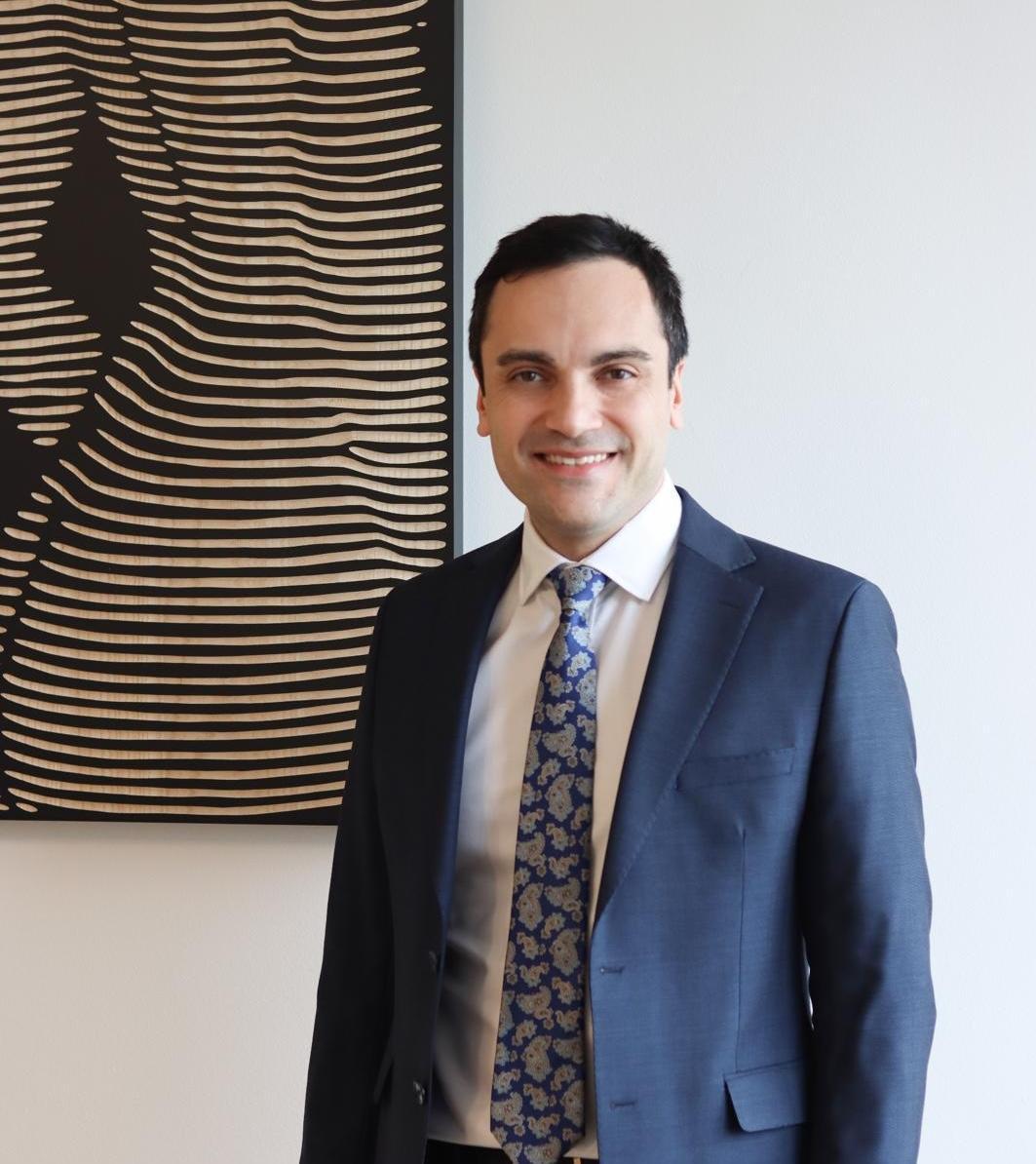
A double board-certified plastic & reconstructive surgeon who treats facial fat grafting as sculpture — restoring the volume time removed, without ever announcing itself.
Most patients start with WhatsApp photos and an honest opinion — no pressure, no obligation.
Send face photos over WhatsApp. Dr. Erdal assesses where volume is lost, whether fat transfer is the right tool for you, and answers honestly — including if filler or another approach would serve you better.
A tailored plan — target areas, technique, donor site — with an all-inclusive quote and no obligation.
In Istanbul you are examined in person and the plan confirmed before anything is scheduled.
Usually a day case under sedation or local anaesthesia with sedation; the full sequence — harvest, purification, placement — is performed by Dr. Erdal personally.
You recover comfortably nearby with clear aftercare instructions and the team on call — typically 4–6 days in Istanbul.
Dr. Erdal stays reachable as swelling settles and the result matures over the following months.
Most patients travel from the UK, Ireland, the United States, Canada, Germany and the Nordic countries. Istanbul has direct flights from most major cities, English-speaking care throughout, and a stay of usually just 4–6 days — with typical savings of 50–70% versus comparable private treatment at home.
The face looks over-full and can bruise — this is expected and temporary. Donor area feels like post-workout soreness. Cold compresses (as instructed), head elevation, and patience. Most patients are comfortable with simple pain relief.
Most visible swelling settles; many patients return to work and social life within 10–14 days. The face still carries extra fullness — do not judge volume yet.
A portion of the fat is naturally resorbed and the rest stabilises. Volume gradually refines toward the real result; the donor area finishes settling.
Surviving fat is now long-term tissue. This is when the outcome is judged — and when any small touch-up, if wanted, is sensibly discussed.
Honest, practical answers to what patients ask most.
Fat that survives the first months becomes living tissue — but 'permanent' needs careful unpacking. Here's the truthful timeline.
Read articleFat survival isn't luck. Harvesting, processing and placement technique each move the percentage.
Read articleOne restores volume, the other treats skin quality. Most good facial fat transfer plans use both — in the right places.
Read articleThe fat that survives the first few months gains its own blood supply and behaves as living tissue — it is long-lasting, ages with your face, and does not need routine top-ups the way filler does. What it cannot do is stop ageing itself: the face continues to change over the years, just from a better starting point.
Typically a meaningful portion of transferred fat is resorbed in the first months — commonly cited survival is around 50–70%, varying by area, technique and individual biology. Experienced surgeons plan for this with slight over-correction, and occasionally a small second session is used to refine the result. Any clinic promising 100% survival is not being honest.
They are different tools. Filler is quick, adjustable and reversible but temporary and repeated forever; fat is your own tissue, natural in feel, long-lasting and can improve skin quality — at the cost of a surgical procedure and a settling period. For larger volumes and long horizons fat usually wins; for small, first-time changes filler can be the sensible start. The honest answer depends on your face and goals.
A small amount is harvested by fine liposuction from a donor area with some to spare — usually the abdomen, flanks or inner thighs. The volumes are modest; this is not body-contouring liposuction, though the donor area is treated neatly.
Very lean patients can still have enough donor fat for facial work, since the required volumes are small — but in genuinely fat-poor patients the plan may adjust, or filler may be recommended instead. This is assessed honestly from photos and examination.
Fat — particularly nanofat — carries regenerative cells that can improve skin texture, fine lines and dark under-eye skin over months. Real, but gradual and variable: treat it as a welcome bonus, not the headline promise.
Share face photos in neutral light. Dr. Erdal will personally tell you where volume is lost, what fat transfer can realistically achieve, and outline a tailored plan and all-inclusive quote — with no obligation.